Japan's rail network is easy to use after you separate local travel from long-distance travel. Use a prepaid IC card for most city journeys. Buy separate tickets or a suitable rail pass for Shinkansen and limited express trains.
The simple setup
For a first trip, use this plan:
- Add a supported IC card to your phone or buy a physical card after arrival.
- Use it for local trains, metros and many buses.
- Buy long-distance tickets for fixed travel days.
- Reserve seats for busy dates, large luggage or a fixed connection.
- Compare the cost of a rail pass with the exact trips in your route.
Use an IC card for local travel
IC cards such as Suica and PASMO let you tap through many train and metro gates. You can also use them on many buses and for small purchases.
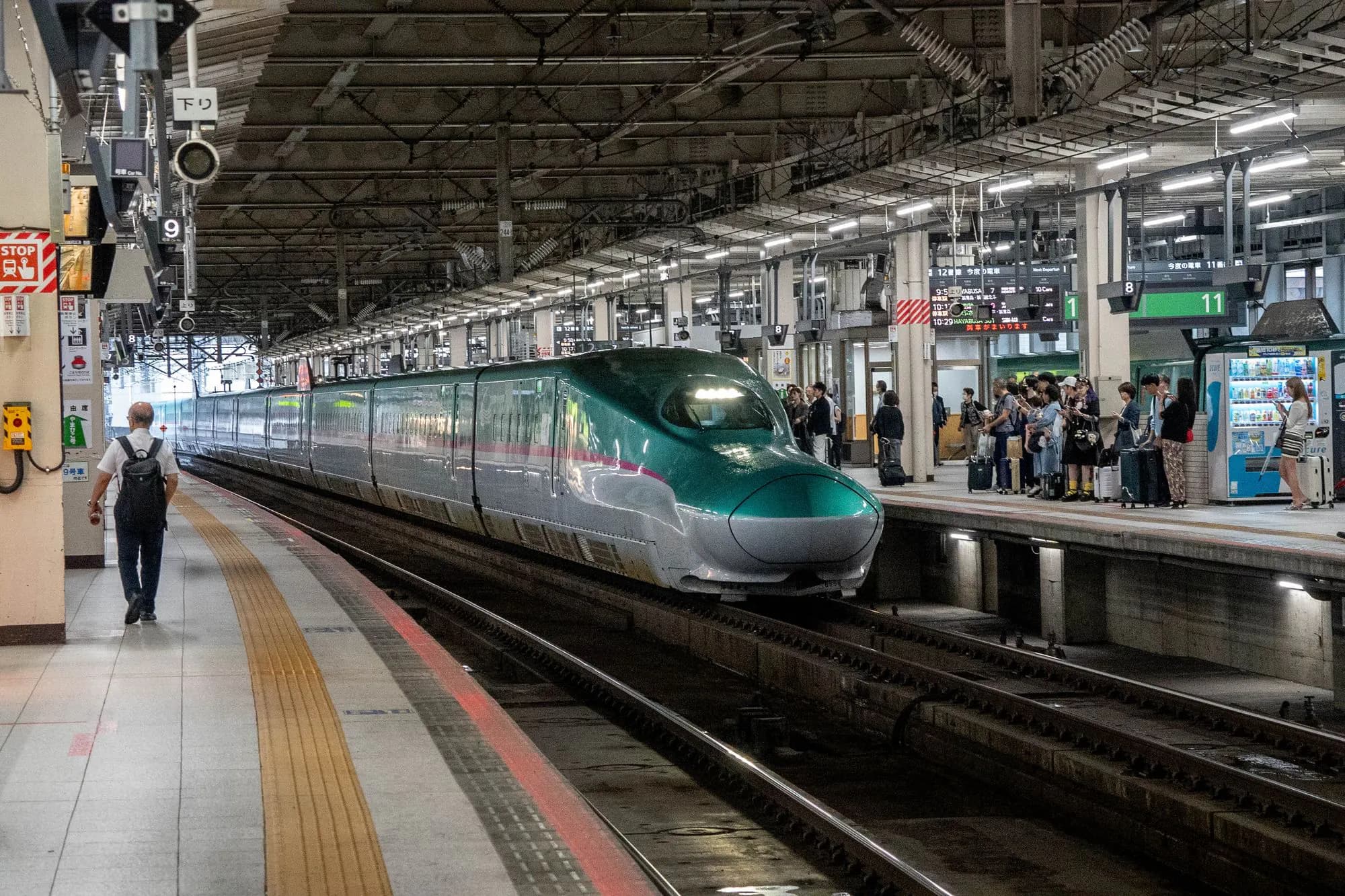
The card does not replace every long-distance ticket. Some limited express and Shinkansen journeys need a separate fare and, when applicable, a seat ticket.
Keep a small balance on the card and top it up before a rural travel day. Card support is wide, but it is not identical on every local line.
Buy long-distance tickets around your route
For a simple Tokyo–Kyoto–Osaka trip, separate tickets are easy to understand. You keep the freedom to choose the fastest suitable train and you do not have to add extra journeys to justify a pass.
For a route with several long transfers, compare a national pass and relevant regional passes. Check which operators and train types each pass includes.
When to reserve a seat
Reserve a seat when you travel during a national holiday period, need a specific connection or want seats together. Some trains have only reserved seating.
If you use a Japan Rail Pass, the official system lets eligible users reserve seats online or at a reserved-seat ticket machine. The pass by itself does not guarantee a seat.
Plan for large luggage
Travel with the smallest case that works for your trip. Station lifts and platforms can add time, and large bags are difficult on local trains.
Some Shinkansen routes have special rules for oversized baggage. Confirm the current size limits and reserve the correct seat before travel. A luggage delivery service can also move a case between hotels while you use a smaller overnight bag.
Leave time for large stations
Tokyo, Shinjuku, Kyoto and Osaka stations are large transport areas, not single rooms. A transfer can include a long walk, a different gate and a different rail operator.
Follow the line name, direction and platform number. Arrive early for the first long-distance journey of the trip. This gives you time to find the correct gate and buy food before boarding.
Do not overbuild the route
Fast trains make long distances possible, but each transfer still uses part of the day. Two or three nights in each main base usually gives a better trip than a new hotel every night.
For a two-week trip, connect a small number of clear regions. The route can combine Tokyo, the Kiso Valley, Kyoto and one quieter final area without repeated backtracking.
Before you travel
- Save the exact station names, because some cities have more than one main station.
- Check the last local connection after each long-distance train.
- Reserve important seats when your dates become fixed.
- Confirm baggage rules for the trains in your route.
- Keep payment cards and some cash available for smaller stations.
The Japan National Tourism Organization explains JR train travel and IC cards. The official Japan Rail Pass site gives current seat reservation rules.